
PromptLabHub

PromptLabHub sur tous vos appareils.

Installez l’application pour un accès plus rapide, ou téléchargez l’extension Chrome et chargez-la dans le navigateur.

Parcourir les prompts

  • Tous les prompts
  • Prompts photo
  • Prompts vidéo
  • Prompts cuisine

Créer

  • Soumettre un prompt

Communauté

  • Forum
  • Créateurs
  • Classement
  • Défi hebdomadaire

Assistance

  • FAQ
  • Nous contacter
  • Politique de confidentialité
  • Conditions d'utilisation

Suivez-nous

Découvrez et copiez des prompts IA sélectionnés pour Midjourney, DALL-E 3, Sora, Runway et plus encore. Mis à jour chaque semaine.

Politique de confidentialitéConditions d'utilisationPolitique de cookies

© 2026 PromptLabHub. All rights reserved.

© 2026 PromptLabHub. All rights reserved.

·
Politique de confidentialité·Conditions d'utilisation·Politique de cookies
AccueilExplorer
PromptLabHub

PromptLabHub sur tous vos appareils.

Installez l’application pour un accès plus rapide, ou téléchargez l’extension Chrome et chargez-la dans le navigateur.

Parcourir les prompts

  • Tous les prompts
  • Prompts photo
  • Prompts vidéo
  • Prompts cuisine

Créer

  • Soumettre un prompt

Communauté

  • Forum
  • Créateurs
  • Classement
  • Défi hebdomadaire

Assistance

  • FAQ
  • Nous contacter
  • Politique de confidentialité
  • Conditions d'utilisation

Suivez-nous

Découvrez et copiez des prompts IA sélectionnés pour Midjourney, DALL-E 3, Sora, Runway et plus encore. Mis à jour chaque semaine.

Politique de confidentialitéConditions d'utilisationPolitique de cookies

© 2026 PromptLabHub. All rights reserved.

© 2026 PromptLabHub. All rights reserved.

·
Politique de confidentialité·Conditions d'utilisation·Politique de cookies
AccueilExplorer
Cinematic Portrait Dramatic Energetic Macro
P

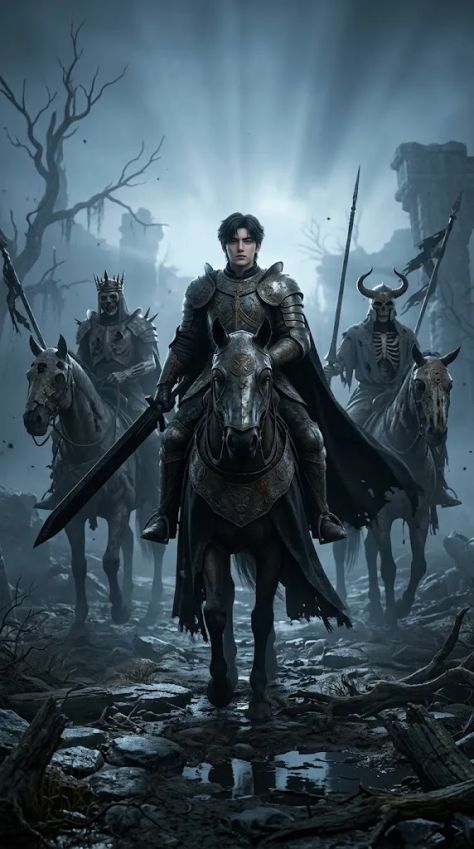
Reference Images — Critical Instructions Use the main reference image as the primary composition guide for the framing, camera angle, lighting, atmosphere, depth, scenery, color palette, and overall artistic direction. Use the facial reference image as the sole identity reference for the main character. Replace the central rider in the composition with the man from the facial reference. Identity Preservation — Highest Priority Preserve the man's identity with maximum fidelity. His face must remain recognizably and naturally identical to the facial reference. Maintain exactly: Facial proportions and bone structure Eye shape and spacing Eyebrows Nose shape Lips Jawline and facial structure Short beard and facial hair pattern Natural skin texture and skin tone Apparent age Hairstyle and hairline Natural expression and distinctive facial characteristics Do not beautify, reshape, age, de-age, exaggerate, stylize, smooth, or reinterpret his face. Do not alter his identity to match the fantasy environment. The armor, lighting, weather, and environment may change around him, but his facial identity must remain faithful to the reference photograph. Scene Create a hyper-realistic cinematic 9:16 vertical scene depicting the main character as one of the legendary Riders of the Apocalypse, slowly advancing through dense supernatural fog. His presence should convey power, mystery, fate, and solemnity rather than exaggerated action. He rides at the center of the composition, commanding the scene, while the other Riders of the Apocalypse form a threatening line behind and around him. Main Rider Dress the protagonist in ancient dark armor that appears to have survived centuries. The armor should feature apocalyptic engravings, forgotten symbols, aged metallic ornamentation, scratches, cracks, oxidation, rust, accumulated dust, and moisture. A long, heavy black cape flows behind him and moves naturally in the wind. The fabric should appear thick, worn, weathered, and physically realistic, with visible fibers, folds, frayed areas, moisture, and dirt. His horse should feel powerful and ominous while remaining anatomically realistic and consistent with the dark apocalyptic setting. Other Riders Surround the protagonist with several disturbing and visually distinct Riders of the Apocalypse. Their appearances should include combinations of: Destroyed and corroded ancient armor Weathered crowns Horned helmets Torn medieval tunics and cloaks Partially exposed skeletal forms Ancient masks Rusted ceremonial armor Symbolic medieval weapons Broken standards and banners Spears and lances Decayed shields One rider carries an enormous blackened metal blade, visibly drawn and catching subtle reflections from the cold environmental light. Every rider should have a distinct silhouette and identity while remaining subordinate to the central protagonist. Environment The world is dark, cold, oppressive, ancient, and supernatural. A dense blue-gray volumetric fog blankets the landscape, allowing only portions of distant silhouettes to emerge through it. The foreground consists of: Wet mud Eroded stones Exposed dry roots Rotting pieces of wood Small pools of dark water Moss-covered rocks Damp earth and debris The puddles and wet surfaces should subtly reflect the available light. In the distance, reveal only fragmented silhouettes of dead trees, ruined ancient structures, rocky formations, and mountains disappearing into the fog. Avoid excessive background detail—the fog should naturally obscure distant elements and create enormous atmospheric depth. Cinematic Lighting Use dramatic, physically believable cinematic lighting. A cold, diffused light from the distant horizon should penetrate the fog and produce powerful volumetric rays. Include: Volumetric fog Atmospheric light scattering Subtle ambient illumination Strong rim lighting around riders and horses Deep natural shadows Wet metallic reflections Physically realistic highlights Suspended dust, moisture, ash, and microscopic particles Controlled high dynamic range Natural light falloff through the fog The lighting should separate the central rider from the background without making him look artificially illuminated. Extreme Texture Detail Render every material at an exceptionally realistic macro level. Skin: visible pores, fine wrinkles, tiny imperfections, subtle scars, moisture, dirt, realistic subsurface scattering, and natural tonal variation. Hair and beard: thousands of individually defined strands with realistic density, direction, highlights, and interaction with moisture. Metal: centuries of aging, oxidation, rust, scratches, dents, cracks, dirt accumulation, worn edges, moisture, and physically accurate reflections. Leather: visible grain, stitching, stretched areas, cracks, abrasion, moisture, dirt, and age. Wood: deep natural grain, knots, cracks, rot, moisture, and centuries of deterioration. Stone: erosion, moss, moisture, sediment, dirt, irregular surfaces, and microscopic cracks. Fabric: visible fibers, realistic thickness, natural folds, frayed edges, dust, moisture, stains, and wear. Bones and horns: anatomically convincing forms with pores, discoloration, fractures, age, dirt, and realistic organic texture. Composition & Camera Use a 9:16 vertical cinematic composition. The main rider occupies the dominant central position, while the other riders create a threatening formation behind him. Use a slightly low cinematic camera perspective to reinforce the protagonist's imposing presence without distorting his face or body. Create a pronounced but physically believable depth of field, with the protagonist and immediate foreground sharply resolved while distant riders, ruins, trees, and mountains gradually disappear into atmospheric fog. The image should feel like a still frame captured from an extremely expensive dark-fantasy Hollywood production rather than a posed portrait. Rendering & Final Look Target extreme photographic realism with: 8K Ultra HD detail Photorealistic rendering Ray-traced lighting Global illumination HDR Ambient occlusion Volumetric lighting and fog Physically based materials Realistic depth of field Cinematic color grading Natural filmic contrast Fine atmospheric detail IMAX-scale cinematic presentation Ultra-detailed environmental textures Realistic optical behavior and reflections The final result must look like live-action cinematic photography, not digital illustration, fantasy artwork, a video-game screenshot, or obvious CGI. Final Priority Order Preserve the man's facial identity from the facial reference with maximum accuracy. Follow the main reference image's composition, framing, lighting, atmosphere, depth, scenery, and color palette. Maintain the central protagonist as the dominant Rider of the Apocalypse. Achieve convincing live-action photorealism. Preserve the dark, cold, solemn, supernatural atmosphere throughout the entire image.

0
Prompt

Cinematic Portrait Dramatic Energetic Macro

This cinematic portrait prompt generates reference images — critical instructions use the main reference image as the primary using Midjourney v6. Ideal for creative projects, marketing campaigns, and portfolio visual assets. Compatible with Midjourney v6, DALL-E 3, Flux, and Stable Diffusion.

Reference Images — Critical Instructions

Use the main reference image as the primary composition guide for the framing, camera angle, lighting, atmosphere, depth, scenery, color palette, and overall artistic direction.

Use the facial reference image as the sole identity reference for the main character. Replace the central rider in the composition with the man from the facial reference.

Identity Preservation — Highest Priority

Preserve the man's identity with maximum fidelity. His face must remain recognizably and naturally identical to the facial reference.

Maintain exactly:

Facial proportions and bone structure

Eye shape and spacing

Eyebrows

Nose shape

Lips

Jawline and facial structure

Short beard and facial hair pattern

Natural skin texture and skin tone

Apparent age

Hairstyle and hairline

Natural expression and distinctive facial characteristics

Do not beautify, reshape, age, de-age, exaggerate, stylize, smooth, or reinterpret his face. Do not alter his identity to match the fantasy environment. The armor, lighting, weather, and environment may change around him, but his facial identity must remain faithful to the reference photograph.

Scene

Create a hyper-realistic cinematic 9:16 vertical scene depicting the main character as one of the legendary Riders of the Apocalypse, slowly advancing through dense supernatural fog.

His presence should convey power, mystery, fate, and solemnity rather than exaggerated action.

He rides at the center of the composition, commanding the scene, while the other Riders of the Apocalypse form a threatening line behind and around him.

Main Rider

Dress the protagonist in ancient dark armor that appears to have survived centuries. The armor should feature apocalyptic engravings, forgotten symbols, aged metallic ornamentation, scratches, cracks, oxidation, rust, accumulated dust, and moisture.

A long, heavy black cape flows behind him and moves naturally in the wind. The fabric should appear thick, worn, weathered, and physically realistic, with visible fibers, folds, frayed areas, moisture, and dirt.

His horse should feel powerful and ominous while remaining anatomically realistic and consistent with the dark apocalyptic setting.

Other Riders

Surround the protagonist with several disturbing and visually distinct Riders of the Apocalypse.

Their appearances should include combinations of:

Destroyed and corroded ancient armor

Weathered crowns

Horned helmets

Torn medieval tunics and cloaks

Partially exposed skeletal forms

Ancient masks

Rusted ceremonial armor

Symbolic medieval weapons

Broken standards and banners

Spears and lances

Decayed shields

One rider carries an enormous blackened metal blade, visibly drawn and catching subtle reflections from the cold environmental light.

Every rider should have a distinct silhouette and identity while remaining subordinate to the central protagonist.

Environment

The world is dark, cold, oppressive, ancient, and supernatural.

A dense blue-gray volumetric fog blankets the landscape, allowing only portions of distant silhouettes to emerge through it.

The foreground consists of:

Wet mud

Eroded stones

Exposed dry roots

Rotting pieces of wood

Small pools of dark water

Moss-covered rocks

Damp earth and debris

The puddles and wet surfaces should subtly reflect the available light.

In the distance, reveal only fragmented silhouettes of dead trees, ruined ancient structures, rocky formations, and mountains disappearing into the fog.

Avoid excessive background detail—the fog should naturally obscure distant elements and create enormous atmospheric depth.

Cinematic Lighting

Use dramatic, physically believable cinematic lighting.

A cold, diffused light from the distant horizon should penetrate the fog and produce powerful volumetric rays.

Include:

Volumetric fog

Atmospheric light scattering

Subtle ambient illumination

Strong rim lighting around riders and horses

Deep natural shadows

Wet metallic reflections

Physically realistic highlights

Suspended dust, moisture, ash, and microscopic particles

Controlled high dynamic range

Natural light falloff through the fog

The lighting should separate the central rider from the background without making him look artificially illuminated.

Extreme Texture Detail

Render every material at an exceptionally realistic macro level.

Skin: visible pores, fine wrinkles, tiny imperfections, subtle scars, moisture, dirt, realistic subsurface scattering, and natural tonal variation.

Hair and beard: thousands of individually defined strands with realistic density, direction, highlights, and interaction with moisture.

Metal: centuries of aging, oxidation, rust, scratches, dents, cracks, dirt accumulation, worn edges, moisture, and physically accurate reflections.

Leather: visible grain, stitching, stretched areas, cracks, abrasion, moisture, dirt, and age.

Wood: deep natural grain, knots, cracks, rot, moisture, and centuries of deterioration.

Stone: erosion, moss, moisture, sediment, dirt, irregular surfaces, and microscopic cracks.

Fabric: visible fibers, realistic thickness, natural folds, frayed edges, dust, moisture, stains, and wear.

Bones and horns: anatomically convincing forms with pores, discoloration, fractures, age, dirt, and realistic organic texture.

Composition & Camera

Use a 9:16 vertical cinematic composition.

The main rider occupies the dominant central position, while the other riders create a threatening formation behind him.

Use a slightly low cinematic camera perspective to reinforce the protagonist's imposing presence without distorting his face or body.

Create a pronounced but physically believable depth of field, with the protagonist and immediate foreground sharply resolved while distant riders, ruins, trees, and mountains gradually disappear into atmospheric fog.

The image should feel like a still frame captured from an extremely expensive dark-fantasy Hollywood production rather than a posed portrait.

Rendering & Final Look

Target extreme photographic realism with:

8K Ultra HD detail

Photorealistic rendering

Ray-traced lighting

Global illumination

HDR

Ambient occlusion

Volumetric lighting and fog

Physically based materials

Realistic depth of field

Cinematic color grading

Natural filmic contrast

Fine atmospheric detail

IMAX-scale cinematic presentation

Ultra-detailed environmental textures

Realistic optical behavior and reflections

The final result must look like live-action cinematic photography, not digital illustration, fantasy artwork, a video-game screenshot, or obvious CGI.

Final Priority Order

Preserve the man's facial identity from the facial reference with maximum accuracy.

Follow the main reference image's composition, framing, lighting, atmosphere, depth, scenery, and color palette.

Maintain the central protagonist as the dominant Rider of the Apocalypse.

Achieve convincing live-action photorealism.

Preserve the dark, cold, solemn, supernatural atmosphere throughout the entire image.

·
Photo Prompts

Avis

Connectez-vous pour laisser un avis.

Pas encore d'avis. Soyez le premier.

Cinematic Portrait Dramatic Energetic Macro
P

Reference Images — Critical Instructions Use the main reference image as the primary composition guide for the framing, camera angle, lighting, atmosphere, depth, scenery, color palette, and overall artistic direction. Use the facial reference image as the sole identity reference for the main character. Replace the central rider in the composition with the man from the facial reference. Identity Preservation — Highest Priority Preserve the man's identity with maximum fidelity. His face must remain recognizably and naturally identical to the facial reference. Maintain exactly: Facial proportions and bone structure Eye shape and spacing Eyebrows Nose shape Lips Jawline and facial structure Short beard and facial hair pattern Natural skin texture and skin tone Apparent age Hairstyle and hairline Natural expression and distinctive facial characteristics Do not beautify, reshape, age, de-age, exaggerate, stylize, smooth, or reinterpret his face. Do not alter his identity to match the fantasy environment. The armor, lighting, weather, and environment may change around him, but his facial identity must remain faithful to the reference photograph. Scene Create a hyper-realistic cinematic 9:16 vertical scene depicting the main character as one of the legendary Riders of the Apocalypse, slowly advancing through dense supernatural fog. His presence should convey power, mystery, fate, and solemnity rather than exaggerated action. He rides at the center of the composition, commanding the scene, while the other Riders of the Apocalypse form a threatening line behind and around him. Main Rider Dress the protagonist in ancient dark armor that appears to have survived centuries. The armor should feature apocalyptic engravings, forgotten symbols, aged metallic ornamentation, scratches, cracks, oxidation, rust, accumulated dust, and moisture. A long, heavy black cape flows behind him and moves naturally in the wind. The fabric should appear thick, worn, weathered, and physically realistic, with visible fibers, folds, frayed areas, moisture, and dirt. His horse should feel powerful and ominous while remaining anatomically realistic and consistent with the dark apocalyptic setting. Other Riders Surround the protagonist with several disturbing and visually distinct Riders of the Apocalypse. Their appearances should include combinations of: Destroyed and corroded ancient armor Weathered crowns Horned helmets Torn medieval tunics and cloaks Partially exposed skeletal forms Ancient masks Rusted ceremonial armor Symbolic medieval weapons Broken standards and banners Spears and lances Decayed shields One rider carries an enormous blackened metal blade, visibly drawn and catching subtle reflections from the cold environmental light. Every rider should have a distinct silhouette and identity while remaining subordinate to the central protagonist. Environment The world is dark, cold, oppressive, ancient, and supernatural. A dense blue-gray volumetric fog blankets the landscape, allowing only portions of distant silhouettes to emerge through it. The foreground consists of: Wet mud Eroded stones Exposed dry roots Rotting pieces of wood Small pools of dark water Moss-covered rocks Damp earth and debris The puddles and wet surfaces should subtly reflect the available light. In the distance, reveal only fragmented silhouettes of dead trees, ruined ancient structures, rocky formations, and mountains disappearing into the fog. Avoid excessive background detail—the fog should naturally obscure distant elements and create enormous atmospheric depth. Cinematic Lighting Use dramatic, physically believable cinematic lighting. A cold, diffused light from the distant horizon should penetrate the fog and produce powerful volumetric rays. Include: Volumetric fog Atmospheric light scattering Subtle ambient illumination Strong rim lighting around riders and horses Deep natural shadows Wet metallic reflections Physically realistic highlights Suspended dust, moisture, ash, and microscopic particles Controlled high dynamic range Natural light falloff through the fog The lighting should separate the central rider from the background without making him look artificially illuminated. Extreme Texture Detail Render every material at an exceptionally realistic macro level. Skin: visible pores, fine wrinkles, tiny imperfections, subtle scars, moisture, dirt, realistic subsurface scattering, and natural tonal variation. Hair and beard: thousands of individually defined strands with realistic density, direction, highlights, and interaction with moisture. Metal: centuries of aging, oxidation, rust, scratches, dents, cracks, dirt accumulation, worn edges, moisture, and physically accurate reflections. Leather: visible grain, stitching, stretched areas, cracks, abrasion, moisture, dirt, and age. Wood: deep natural grain, knots, cracks, rot, moisture, and centuries of deterioration. Stone: erosion, moss, moisture, sediment, dirt, irregular surfaces, and microscopic cracks. Fabric: visible fibers, realistic thickness, natural folds, frayed edges, dust, moisture, stains, and wear. Bones and horns: anatomically convincing forms with pores, discoloration, fractures, age, dirt, and realistic organic texture. Composition & Camera Use a 9:16 vertical cinematic composition. The main rider occupies the dominant central position, while the other riders create a threatening formation behind him. Use a slightly low cinematic camera perspective to reinforce the protagonist's imposing presence without distorting his face or body. Create a pronounced but physically believable depth of field, with the protagonist and immediate foreground sharply resolved while distant riders, ruins, trees, and mountains gradually disappear into atmospheric fog. The image should feel like a still frame captured from an extremely expensive dark-fantasy Hollywood production rather than a posed portrait. Rendering & Final Look Target extreme photographic realism with: 8K Ultra HD detail Photorealistic rendering Ray-traced lighting Global illumination HDR Ambient occlusion Volumetric lighting and fog Physically based materials Realistic depth of field Cinematic color grading Natural filmic contrast Fine atmospheric detail IMAX-scale cinematic presentation Ultra-detailed environmental textures Realistic optical behavior and reflections The final result must look like live-action cinematic photography, not digital illustration, fantasy artwork, a video-game screenshot, or obvious CGI. Final Priority Order Preserve the man's facial identity from the facial reference with maximum accuracy. Follow the main reference image's composition, framing, lighting, atmosphere, depth, scenery, and color palette. Maintain the central protagonist as the dominant Rider of the Apocalypse. Achieve convincing live-action photorealism. Preserve the dark, cold, solemn, supernatural atmosphere throughout the entire image.

0
Prompt

Cinematic Portrait Dramatic Energetic Macro

This cinematic portrait prompt generates reference images — critical instructions use the main reference image as the primary using Midjourney v6. Ideal for creative projects, marketing campaigns, and portfolio visual assets. Compatible with Midjourney v6, DALL-E 3, Flux, and Stable Diffusion.

Reference Images — Critical Instructions

Use the main reference image as the primary composition guide for the framing, camera angle, lighting, atmosphere, depth, scenery, color palette, and overall artistic direction.

Use the facial reference image as the sole identity reference for the main character. Replace the central rider in the composition with the man from the facial reference.

Identity Preservation — Highest Priority

Preserve the man's identity with maximum fidelity. His face must remain recognizably and naturally identical to the facial reference.

Maintain exactly:

Facial proportions and bone structure

Eye shape and spacing

Eyebrows

Nose shape

Lips

Jawline and facial structure

Short beard and facial hair pattern

Natural skin texture and skin tone

Apparent age

Hairstyle and hairline

Natural expression and distinctive facial characteristics

Do not beautify, reshape, age, de-age, exaggerate, stylize, smooth, or reinterpret his face. Do not alter his identity to match the fantasy environment. The armor, lighting, weather, and environment may change around him, but his facial identity must remain faithful to the reference photograph.

Scene

Create a hyper-realistic cinematic 9:16 vertical scene depicting the main character as one of the legendary Riders of the Apocalypse, slowly advancing through dense supernatural fog.

His presence should convey power, mystery, fate, and solemnity rather than exaggerated action.

He rides at the center of the composition, commanding the scene, while the other Riders of the Apocalypse form a threatening line behind and around him.

Main Rider

Dress the protagonist in ancient dark armor that appears to have survived centuries. The armor should feature apocalyptic engravings, forgotten symbols, aged metallic ornamentation, scratches, cracks, oxidation, rust, accumulated dust, and moisture.

A long, heavy black cape flows behind him and moves naturally in the wind. The fabric should appear thick, worn, weathered, and physically realistic, with visible fibers, folds, frayed areas, moisture, and dirt.

His horse should feel powerful and ominous while remaining anatomically realistic and consistent with the dark apocalyptic setting.

Other Riders

Surround the protagonist with several disturbing and visually distinct Riders of the Apocalypse.

Their appearances should include combinations of:

Destroyed and corroded ancient armor

Weathered crowns

Horned helmets

Torn medieval tunics and cloaks

Partially exposed skeletal forms

Ancient masks

Rusted ceremonial armor

Symbolic medieval weapons

Broken standards and banners

Spears and lances

Decayed shields

One rider carries an enormous blackened metal blade, visibly drawn and catching subtle reflections from the cold environmental light.

Every rider should have a distinct silhouette and identity while remaining subordinate to the central protagonist.

Environment

The world is dark, cold, oppressive, ancient, and supernatural.

A dense blue-gray volumetric fog blankets the landscape, allowing only portions of distant silhouettes to emerge through it.

The foreground consists of:

Wet mud

Eroded stones

Exposed dry roots

Rotting pieces of wood

Small pools of dark water

Moss-covered rocks

Damp earth and debris

The puddles and wet surfaces should subtly reflect the available light.

In the distance, reveal only fragmented silhouettes of dead trees, ruined ancient structures, rocky formations, and mountains disappearing into the fog.

Avoid excessive background detail—the fog should naturally obscure distant elements and create enormous atmospheric depth.

Cinematic Lighting

Use dramatic, physically believable cinematic lighting.

A cold, diffused light from the distant horizon should penetrate the fog and produce powerful volumetric rays.

Include:

Volumetric fog

Atmospheric light scattering

Subtle ambient illumination

Strong rim lighting around riders and horses

Deep natural shadows

Wet metallic reflections

Physically realistic highlights

Suspended dust, moisture, ash, and microscopic particles

Controlled high dynamic range

Natural light falloff through the fog

The lighting should separate the central rider from the background without making him look artificially illuminated.

Extreme Texture Detail

Render every material at an exceptionally realistic macro level.

Skin: visible pores, fine wrinkles, tiny imperfections, subtle scars, moisture, dirt, realistic subsurface scattering, and natural tonal variation.

Hair and beard: thousands of individually defined strands with realistic density, direction, highlights, and interaction with moisture.

Metal: centuries of aging, oxidation, rust, scratches, dents, cracks, dirt accumulation, worn edges, moisture, and physically accurate reflections.

Leather: visible grain, stitching, stretched areas, cracks, abrasion, moisture, dirt, and age.

Wood: deep natural grain, knots, cracks, rot, moisture, and centuries of deterioration.

Stone: erosion, moss, moisture, sediment, dirt, irregular surfaces, and microscopic cracks.

Fabric: visible fibers, realistic thickness, natural folds, frayed edges, dust, moisture, stains, and wear.

Bones and horns: anatomically convincing forms with pores, discoloration, fractures, age, dirt, and realistic organic texture.

Composition & Camera

Use a 9:16 vertical cinematic composition.

The main rider occupies the dominant central position, while the other riders create a threatening formation behind him.

Use a slightly low cinematic camera perspective to reinforce the protagonist's imposing presence without distorting his face or body.

Create a pronounced but physically believable depth of field, with the protagonist and immediate foreground sharply resolved while distant riders, ruins, trees, and mountains gradually disappear into atmospheric fog.

The image should feel like a still frame captured from an extremely expensive dark-fantasy Hollywood production rather than a posed portrait.

Rendering & Final Look

Target extreme photographic realism with:

8K Ultra HD detail

Photorealistic rendering

Ray-traced lighting

Global illumination

HDR

Ambient occlusion

Volumetric lighting and fog

Physically based materials

Realistic depth of field

Cinematic color grading

Natural filmic contrast

Fine atmospheric detail

IMAX-scale cinematic presentation

Ultra-detailed environmental textures

Realistic optical behavior and reflections

The final result must look like live-action cinematic photography, not digital illustration, fantasy artwork, a video-game screenshot, or obvious CGI.

Final Priority Order

Preserve the man's facial identity from the facial reference with maximum accuracy.

Follow the main reference image's composition, framing, lighting, atmosphere, depth, scenery, and color palette.

Maintain the central protagonist as the dominant Rider of the Apocalypse.

Achieve convincing live-action photorealism.

Preserve the dark, cold, solemn, supernatural atmosphere throughout the entire image.

·
Photo Prompts

Avis

Connectez-vous pour laisser un avis.

Pas encore d'avis. Soyez le premier.